





The automotive industry is rapidly evolving as manufacturers and suppliers push toward safer, more intuitive in-vehicle experiences. In-cabin monitoring systems (ICMS) are at the heart of this transformation, helping vehicles detect occupant presence, monitor driver attention, and enhance comfort through advanced sensing technologies. These solutions leverage radar, imaging, and embedded processors to deliver intelligent performance across a wide range of safety and convenience functions. 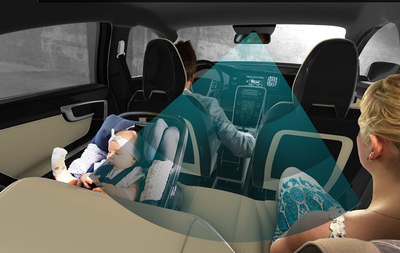
In-cabin monitoring has become a cornerstone for next-generation vehicles as safety standards tighten and consumer expectations rise. Today's systems use combinations of radar sensors, image sensors, and microprocessors to support features like occupancy detection, driver drowsiness alerts, and even vital sign sensing - critical capabilities as vehicles move toward higher levels of automation and connectivity.
Featured Technologies Powering In-Cabin Intelligence
Radar modules operating in the 60 GHz band enable robust detection of occupants and movement within the vehicle cabin. These radar sensors perform beyond simple presence detection, enabling features such as child presence alerts and proximity monitoring in varying light and environmental conditions. Image sensors with high dynamic range and low power demands complement radar by delivering high-quality visual data for posture or behavior analysis.
Alongside these core technologies, automotive processors and connectivity solutions help tie multiple sensor streams together, enabling real-time decision making. This fusion of sensing data lays the groundwork for safety, comfort, and personalized in-vehicle experiences.
Why Power and Current Sensing is Vital for Integrated In-Cabin Systems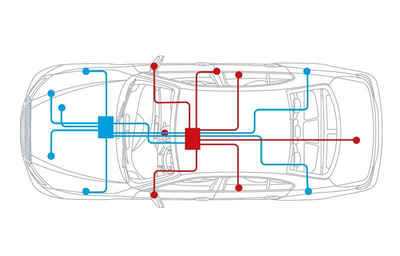
While much attention focuses on radar and camera technology, an often-overlooked element in successful ICMS is power and current monitoring. In-vehicle electronics demand reliable power management to ensure that safety systems, sensor arrays, and processing units operate consistently under dynamic conditions. Accurate current measurement helps prevent electrical faults, supports energy efficiency, and ensures system stability over the lifetime of the vehicle.
This need for precise electrical sensing aligns with SHINHOM's core expertise. As a provider of high-performance current transformers and power monitoring solutions, SHINHOM supports automotive and industrial designers in implementing reliable power measurement in complex electronics networks. Our split-core current transformers enable easy integration into existing vehicle power systems without service interruption, while delivering linear, stable output suitable for advanced monitoring and control functions.
Integrating dependable power sensing within ICMS architectures helps automotive engineers detect abnormal current behavior early, protect sensitive electronics, and ensure uninterrupted performance of in-cabin safety features such as occupant detection and alert systems.
Supporting Next-Generation Safety and Performance
Today's automotive systems are more interconnected than ever. From advanced driver-assistance systems (ADAS) to in-cabin health and safety monitoring, reliable power infrastructure underpins critical functionality. As the industry continues to innovate, automakers benefit from combining leading in-cabin sensor technologies with dependable electrical measurement - a synergy that enhances overall system robustness and passenger safety.
SHINHOM remains committed to supporting the evolution of intelligent vehicle systems with precision current sensing solutions designed for integration in complex electrical networks. By partnering trusted power monitoring with cutting-edge cabin sensing technologies, automotive designers can confidently deliver smarter, safer vehicles for the roads of tomorrow.