

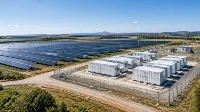



High Voltage Transformers, the backbone of modern electrical grids, are undergoing transformative innovation as global energy systems prioritize resilience, efficiency, and sustainability. These critical components, tasked with stepping up or down voltage levels across transmission networks, are now central to integrating renewable energy, stabilizing smart grids, and supporting industrial electrification. Amid escalating demands for cleaner energy and grid modernization, advancements in design, materials, and digital integration are redefining the capabilities of High Voltage Transformers.

Breakthroughs in Material Science and Design
The evolution of High Voltage Transformers is closely tied to breakthroughs in insulation and magnetic core technologies. Modern units employ advanced dielectric materials, such as cellulose-polymer composites and gas-insulated systems, to enhance voltage endurance while minimizing environmental risks. Innovations in amorphous metal cores and high-temperature superconducting (HTS) windings are reducing no-load losses by up to 70%, a leap forward in energy efficiency for long-distance power transmission.
Thermal management remains a critical focus. Next-generation cooling systems, including biodegradable ester-based fluids and phase-change cooling modules, are replacing traditional mineral oil methods. These solutions not only improve heat dissipation but also align with stringent environmental regulations, particularly in ecologically sensitive regions. Furthermore, modular designs are gaining traction, enabling easier upgrades and repairs without requiring full system shutdowns-a vital feature for maintaining grid stability.
Enabling the Renewable Energy Transition
High Voltage Transformers are indispensable in connecting large-scale renewable energy projects to national grids. Offshore wind farms, for instance, rely on these transformers to step up generated voltage for efficient transmission to onshore substations. Similarly, solar parks utilize them to manage fluctuations caused by intermittent sunlight, ensuring consistent power delivery even during cloud cover or rapid load changes.
The rise of hybrid AC/DC grids has further elevated their importance. Transformers equipped with advanced harmonic filtering capabilities mitigate voltage distortions caused by inverter-based renewables, maintaining compliance with grid codes. Recent deployments in hydropower-rich regions demonstrate their role in balancing variable renewable output with baseline hydroelectric generation, optimizing energy dispatch across mixed-source networks.
Industrial and Urban Applications
Beyond utilities, High Voltage Transformers are vital to energy-intensive industries. Steel plants, semiconductor foundries, and chemical complexes depend on them to deliver stable, high-power inputs for processes like arc furnaces and electrolysis. Innovations in fault-tolerant designs are reducing downtime in these sectors by isolating electrical faults before they cascade, safeguarding both equipment and production schedules.
Urbanization trends are driving demand for compact, noise-reduced transformers suited for densely populated areas. Dry-type transformers with sound-dampening enclosures are increasingly deployed in urban substations and commercial complexes, addressing space constraints and community noise concerns. Their fire-resistant properties also make them ideal for high-rise buildings and underground transportation networks.
Market Growth and Sustainability Imperatives
The global High Voltage Transformer market is projected to grow steadily, fueled by aging grid infrastructure replacements and renewable energy investments. Governments worldwide are rolling out incentives for grid resilience projects, particularly in regions prone to extreme weather events. Manufacturers are responding with corrosion-resistant designs featuring nano-coated exteriors, extending operational lifespans in coastal or high-humidity environments.
Sustainability is reshaping production practices. Recyclable materials, such as aluminum windings and plant-based insulating papers, are replacing conventional components to reduce carbon footprints. Additionally, digital twins-virtual replicas of physical transformers-are being used to simulate performance under diverse conditions, minimizing material waste during prototyping and testing phases.
Technical Challenges and Adaptive Solutions
One persistent challenge lies in balancing size reduction with high insulation requirements. Engineers are addressing this through hybrid insulation systems that combine solid, liquid, and gaseous dielectrics, achieving compact footprints without compromising safety margins. Another hurdle is adapting to faster grid dynamics caused by decentralized energy sources. Real-time monitoring systems embedded with IoT sensors now provide granular data on load patterns, enabling predictive adjustments to transformer operations.
High-frequency transients from power electronics, such as those in HVDC converters, pose additional stress. Researchers are developing adaptive magnetic cores capable of damping sudden voltage surges, a critical advancement for grids integrating solar, wind, and battery storage systems.
Future Directions: Smart Grids and Digital Integration
The future of High Voltage Transformers lies in seamless integration with smart grid technologies. Embedded artificial intelligence (AI) algorithms will soon enable autonomous load balancing, dynamically adjusting voltage levels based on real-time demand and supply fluctuations. Pilot projects in Europe already utilize AI-driven transformers to optimize energy flow in microgrids, reducing transmission losses by up to 15%.
Bidirectional power flow capabilities are another frontier. Transformers designed for vehicle-to-grid (V2G) systems will facilitate energy exchange between EV fleets and grids, turning transportation infrastructure into decentralized energy reservoirs. Meanwhile, advancements in digital substations will see transformers paired with fiber-optic sensors and blockchain-based asset management platforms, enhancing transparency and maintenance efficiency.
Conclusion
As the world accelerates toward decarbonization and digitalization, High Voltage Transformers are emerging as silent enablers of progress. Their ability to bridge traditional and renewable energy systems, coupled with advancements in sustainability and intelligence, positions them at the heart of the global energy transition. By continuing to innovate in materials, design, and digital integration, the industry ensures these transformers will remain indispensable-powering societies while safeguarding the planet's energy future.