




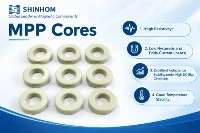
As industries worldwide prioritize electrical safety and signal integrity, Isolation Transformers have emerged as a critical component in modern power distribution and electronic systems. These specialized devices, designed to decouple electrical circuits while transferring power, are increasingly adopted across sectors ranging from industrial automation to renewable energy infrastructure. Their ability to suppress electromagnetic interference (EMI), protect sensitive equipment, and enhance operational safety underscores their growing relevance in an era of complex electrical networks.
Core Applications Driving Market Adoption
Isolation Transformers serve as a foundational solution for mitigating risks associated with ground loops, voltage spikes, and harmonic distortions. In industrial settings, they safeguard machinery by providing galvanic isolation, preventing fault currents from damaging connected devices. The healthcare sector relies on these transformers to ensure uninterrupted power supply to medical equipment, where even minor electrical fluctuations could compromise patient safety. Additionally, the rise of renewable energy systems has amplified their role in solar and wind installations, where stable power conversion and grid synchronization are paramount.
The telecommunications and data center industries further leverage Isolation Transformers to maintain signal clarity and reduce noise in high-frequency environments. As 5G networks and edge computing expand, the demand for noise-free power delivery to servers and communication hubs has intensified, positioning these transformers as indispensable for infrastructure resilience.
Technological Advancements and Regulatory Pressures
Recent innovations in magnetic core materials and winding techniques have enhanced the efficiency and compactness of Isolation Transformers, enabling their integration into space-constrained applications like electric vehicle (EV) charging stations and IoT-enabled devices. Manufacturers are also prioritizing designs that comply with stringent international safety standards, such as IEC and UL certifications, to address evolving regulatory requirements for electrical installations.
Governments and industry bodies are increasingly mandating the use of isolation technologies in critical infrastructure projects. For instance, updated building codes in several regions now stipulate the inclusion of these transformers in commercial and residential complexes to mitigate fire hazards caused by electrical faults. Such regulations are accelerating R&D investments, with a focus on improving thermal management and reducing energy losses in next-generation models.
Challenges in Scaling Production
Despite surging demand, the global supply chain for Isolation Transformers faces hurdles. Shortages of high-grade electrical steel and copper, exacerbated by geopolitical trade tensions, have led to extended lead times and cost escalations. Smaller manufacturers, in particular, struggle to balance quality control with production scalability, prompting end-users to seek partnerships with established suppliers offering long-term reliability guarantees.
Another challenge lies in educating stakeholders about the cost-benefit ratio of premium isolation solutions. While advanced transformers entail higher upfront costs, their ability to reduce downtime, extend equipment lifespan, and lower maintenance expenses often justifies the investment. Industry advocates emphasize the need for standardized performance metrics to help buyers evaluate options objectively.
Future Outlook: Smart Grids and Decentralized Energy
The transition toward smart grids and decentralized energy systems is poised to redefine the role of Isolation Transformers. Innovations such as digital twin simulations and predictive maintenance algorithms are being integrated into transformer designs, enabling real-time monitoring of electrical parameters and fault detection. These advancements align with global efforts to enhance grid stability amid fluctuating renewable energy inputs and increasing electrification demands.
Meanwhile, the push for energy-efficient architectures in urban development and industrial parks is expected to drive demand for modular, eco-friendly transformers. Hybrid models combining isolation capabilities with voltage regulation and surge protection are gaining traction, offering multifunctional solutions for next-gen power networks.