





Electrical safety is no longer a "nice-to-have" - it's a requirement. With greater dependence on complex electronic systems in industrial, commercial, and residential environments, ensuring that electrical circuits behave predictably and safely has become a top priority. One of the most effective ways to achieve this is through precise residual current monitoring, an area where advanced sensor technologies are making a measurable impact.
Residual current sensors are essential components in many safety and power monitoring systems because they can detect small imbalances between the current entering and leaving a circuit. When such imbalances occur - due to leakage, insulation failure, or unintended paths - they can indicate potential safety hazards such as electric shock or fire risk.
What Is Residual Current and Why It Matters
In an ideal electrical circuit, the current flowing through the live conductor should return through the neutral conductor. Any difference between these two - called residual current - can signal a leakage fault or ground fault.
Traditional circuit breakers protect against overcurrent, but they do not detect small leakage currents that can be just as dangerous, especially when people or sensitive equipment are involved. This is where residual current sensors come into play: they help systems detect and respond to abnormal current signatures before failure escalates.
High-precision residual current monitoring has broad applications:
Industrial machinery safety systems
Electrical distribution panels in buildings
Medical equipment power monitoring
Renewable energy systems (like solar inverters)
EV charging stations and energy infrastructure
In each case, an early warning of leakage current can prevent damage, reduce downtime, and save lives.
How Modern Residual Current Sensors Work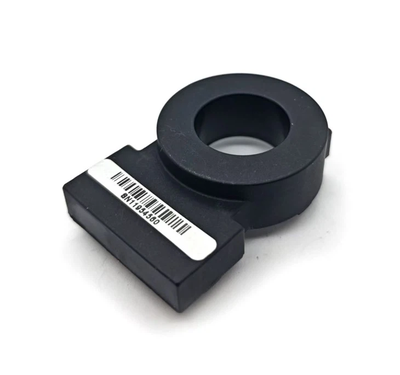
At the heart of residual current monitoring is the ability to measure extremely small differences in current flow. Modern residual current sensors use advanced magnetic or Hall effect principles to detect these imbalances with high accuracy and fast response.
Unlike simple transformers or legacy solutions, today's residual current sensors combine:
High sensitivity to micro-ampere level differences
Fast fault detection and response
Wide frequency range support for various load types
Compact form factors suitable for modern electrical panels
These capabilities allow sensors to integrate seamlessly with protection relays, smart circuit breakers, and energy management systems.
Key Benefits of Using Residual Current Sensors
Whether you are designing a new electrical safety system or upgrading an existing installation, residual current sensors deliver multiple measurable advantages:
1. Enhanced Safety
Detecting leakage current early can prevent a minor fault from becoming a major hazard, protecting both personnel and equipment.
2. Regulatory Compliance
Safety standards in many regions require residual current monitoring in specific environments. Using accurate sensors helps ensure compliance with codes such as IEC 61008 / 61009 / 61557.
3. Reduced False Trips
High-quality sensing reduces susceptibility to nuisance tripping by differentiating between harmless load imbalances and genuine faults.
4. Real-Time Monitoring
Integrating sensors with modern control systems enables real-time current diagnostics, predictive maintenance, and smarter load management.
Real-World Use Cases
Industrial Control Cabinets
Residual current monitoring provides an additional layer of protection in high-power environments where insulation degradation can occur over time.
Commercial Buildings
Buildings with complex electrical loads, HVAC systems, and distributed networks can benefit from sensor feedback to avoid hidden leakage problems.
Renewables & EV Charging
In renewable installations and electric vehicle (EV) charging stations, leakage detection is essential due to the presence of power conversion stages and varying load conditions.
Choosing the Right Sensor for Your System
Selecting the appropriate residual current sensor involves considering several factors:
Measurement range and sensitivity
Response time requirements
Environmental conditions (temperature, vibration)
Integration with existing protection equipment
A well-matched sensor improves system reliability and reduces the risk of unexpected shutdowns or false alarms.
SHINHOM's Residual Current Sensor Solutions
To address these evolving safety and monitoring needs, SHINHOM offers a range of high-performance residual current sensors engineered for precision and reliability. These sensors are designed to:
Detect small current imbalances with excellent accuracy
Support integration with smart metering and protection systems
Fit compact electrical panels and space-constrained environments
Maintain performance across wide operational conditions
Whether you are working on industrial automation, building safety systems, or energy distribution networks, SHINHOM's residual current sensors provide the measurement confidence you need.
Explore our full range of residual current sensor products and specifications here:
👉 https://www.shinhom.com/sensor/residual-current-sensor.html
Conclusion
Residual current monitoring is a foundational element in modern electrical safety and power management systems. With growing system complexity and stricter safety standards, the need for reliable, accurate sensors has never been greater.
By integrating advanced residual current sensors into your design, you not only enhance safety and compliance, but also gain deeper insight into your electrical system's behavior in real time.
For more information on selecting the right sensor for your application, or for technical support, contact us at sales@shinhom.com.