




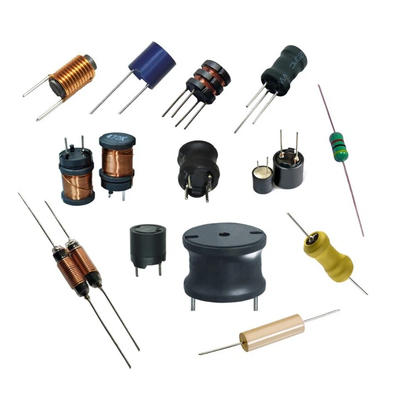
Leaded inductors are fundamental components in various electronic circuits, offering versatile functionality in filtering, energy storage, and signal processing. Their design, incorporating wire leads, allows for easy integration into through-hole printed circuit boards (PCBs) and adaptability across numerous applications. This article delves into the essential aspects of leaded inductors, including their structure, operational principles, applications, benefits, and key considerations for selection.
Structure and Design
Leaded inductors include a wire coil wound around a core made of materials like ferrite or iron powder. The core material influences the inductance, frequency response, and energy capacity. Ferrite cores are preferred for high-frequency applications due to their low losses. The inductor's inductance value, measured in microhenries (µH), dictates the energy storage capacity.
Operational Principles
Energy Storage and Release: Leaded inductors store energy in a magnetic field when current passes through them, aiding in voltage regulation and current stabilization.
Filtering and Signal Processing: They are crucial in LC filter networks, which block unwanted frequencies and allow desired signals to pass, enhancing signal clarity and reducing noise.
Applications
Power Supplies: Used in voltage regulators to maintain stable output and minimize ripple voltage.
Communication Systems: Integral in RF applications for tuning circuits to specific frequencies and filtering noise.
Automotive Electronics: Manage power distribution in ECUs, reducing interference.
Industrial Equipment: Smooth electrical signals in power supplies and motor drives.
Advantages
Robust Design: Their through-hole construction ensures reliable mechanical connections, crucial in environments with physical stress.
Versatility: Adaptable across various applications due to customizable inductance values.
Cost-effectiveness: Generally more affordable and simpler to manufacture than surface-mount inductors.
Key Considerations
Electrical Specifications: Crucial parameters include inductance value, rated current, and DC resistance. Choose an inductor that matches the application's current rating to prevent overheating.
Frequency Response: Ensure the inductor's frequency response aligns with application needs.
Thermal Performance: Consider the thermal ratings to handle application-specific temperatures effectively.
Size and Packaging: Balance between physical size and electrical performance required by the design.
Conclusion
Leaded inductors are essential for the robust and efficient functioning of electronic circuits. Their durability and versatility make them prime choices for engineers, offering an effective solution to energy storage and signal integrity challenges across numerous applications. By understanding and considering electrical specifications, frequency response, and thermal capacity, engineers can effectively integrate leaded inductors into their designs, ensuring optimal circuit performance.