





As wireless communication, industrial electronics, and smart devices continue to evolve, the demand for stable and efficient high-frequency signal transmission has never been greater. Behind every reliable RF system lies a carefully designed network of RF passive components, which play a critical role in signal integrity, noise suppression, and system stability.
While active devices often receive most of the attention, it is passive components that quietly determine how well a system performs under real-world conditions.
Why RF Passive Components Matter More Than Ever
Modern electronic systems operate at higher frequencies, with tighter design margins and increased sensitivity to interference. Applications such as wireless communication, power electronics, industrial automation, and automotive electronics all rely on passive components to manage signal flow and electromagnetic behavior.
RF inductors, transformers, chokes, and other passive elements are essential for tasks such as filtering unwanted noise, impedance matching, energy storage, and signal coupling. As operating frequencies increase, even minor design flaws at the component level can lead to signal loss, instability, or compliance issues.
Design Challenges in High-Frequency Electronics
High-frequency circuit design introduces challenges that go beyond basic electrical parameters. Factors such as parasitic capacitance, thermal stability, and material selection significantly affect performance.
Engineers must consider how passive components behave not only electrically, but also mechanically and thermally. Compact system layouts, higher power densities, and stricter EMC requirements place additional pressure on component reliability and consistency.
This is where well-engineered RF passive components become a decisive factor in overall system success.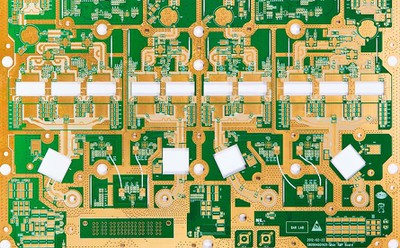
The Role of Inductors and Magnetic Components
Inductors and magnetic components form the foundation of many RF and power-related designs. They are widely used for signal filtering, energy transfer, and noise suppression across both analog and digital systems.
In RF applications, air-core and ferrite-based inductors are commonly selected based on frequency range, Q factor, and current handling capability. Proper component selection helps minimize signal distortion and ensures stable performance across operating conditions.
As systems continue to integrate multiple functions into smaller form factors, demand is growing for passive components that offer high performance, compact size, and reliable manufacturing quality.
Supporting System Reliability Through Component Quality
Beyond electrical performance, consistency and quality control are equally important. Variations in passive components can lead to unpredictable system behavior, especially in high-volume or safety-critical applications.
Manufacturers and system designers increasingly prioritize suppliers that can provide stable production processes, clear technical documentation, and customization options when needed. Reliable RF passive components help reduce development risk, shorten design cycles, and improve long-term product reliability.
Looking Ahead
As wireless technologies, industrial electronics, and high-frequency systems continue to advance, RF passive components will remain a cornerstone of electronic design. Their role may not always be visible, but their impact on system performance is undeniable.
By focusing on component-level optimization and thoughtful RF design, engineers can build systems that meet today's performance expectations while remaining adaptable to future requirements.
For more information about RF passive components and their applications in modern electronic systems, visit:RF Passive Components